How many session do I need?
This is one of the most common questions I’m asked, and one of the hardest to answer honestly. People usually want a number, and I understand why. A number is reassuring. It lets you plan ahead and know when you’ll be finished.
The difficulty is that Spinal Energetics doesn’t run on the kind of logic that produces a number.
Most of us arrive carrying a model of care we picked up somewhere else. You have a problem, you go and have it treated, you feel better for a while, and when it returns you go back for the same thing. With some approaches that can mean attending several times a week at first, week after week, which is a real investment of both time and money. And each visit tends to work the same segment, the same neck or the same back. You get relief, then before long that area asks for attention again and you return. The same complaint and the same fix, repeating.
The work we do moves differently.
We aren’t coming back each time to the same place to manage the same thing. Each session meets a different part of you, and the shift that follows tends to last longer, because we’re reaching the system underneath the symptom and not only the symptom itself.
Part of why it holds has to do with how the change happens. The misalignment you feel was created by your own innate intelligence, the same intelligence that runs your breathing and quietly repairs you every day. We could try to override that intelligence by pushing a vertebra toward where we think it belongs. What we do is quieter than that. We look for the connected place inside the disconnected one, the ease inside the dis-ease, and we bring safety to it. When an area feels safe, the body becomes willing to reorganise, and it makes the shift on its own. The vertebra moves because the system chose to move it. This is how I understand the work, and it is part of why a change made this way tends to settle and stay. The same intelligence that produced the pattern is the one that lets it go, so there is far less for it to spring back into. It also tends to mean you need fewer sessions over time.
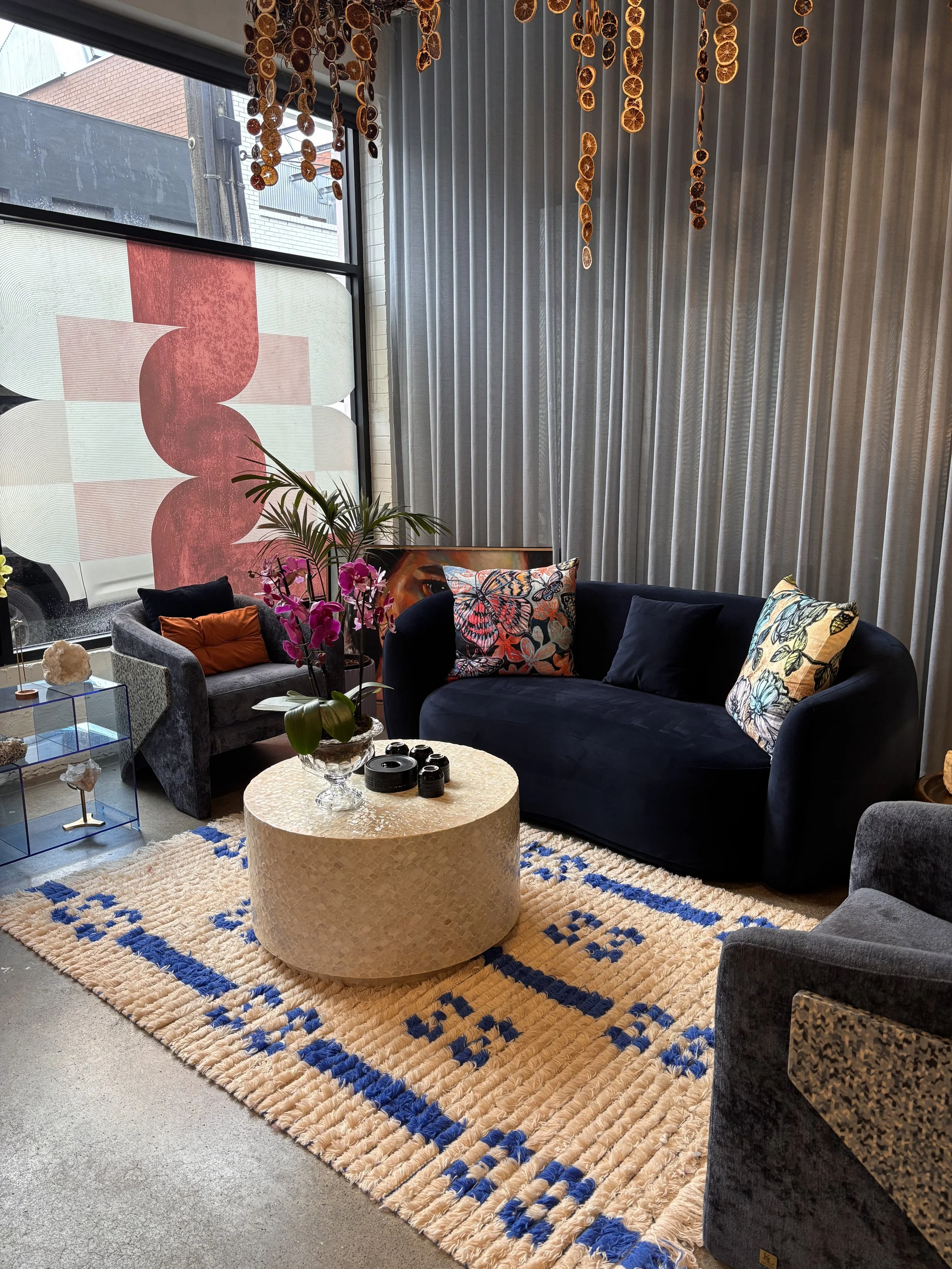
Spinal Energetics reception area at HQ
Here is the part that’s easy to miss. The moment you leave the room, you walk back into your life. You meet people and you feel things. You take in the world around you and respond to it, often without noticing. All of that becomes new material. Your body takes it in and begins the quiet work of processing it. So you don’t arrive at your next session as the same person who left the last one. You arrive having lived, with fresh experience to move through.
There is also depth to consider. The parts of us we can reach at the beginning are usually the ones closest to the surface. As trust settles and the nervous system learns that it’s safe to soften, places that weren’t available early on begin to open. What surfaces in your tenth session is rarely what surfaced in your first. The work reaches into older and quieter layers over time.
So when someone asks how many sessions they need, the honest answer is that there isn’t a fixed number to give. This is an unfolding process rather than a course of treatment with an end date. We are always evolving, and there is always something being lived and something being integrated.
In practice this looks different for different people. Some come for a focused stretch while they move through something specific. Others weave the work into their lives over months or years, the way you might keep returning to anything that helps you stay connected to yourself. Neither is more correct than the other.
If you’re new to this, my suggestion is simple. Come a few times before you decide anything. Notice how your body responds, and pay attention to what shifts between sessions and not only during them. Let your own experience guide the rhythm that’s right for you, and we can shape it together from there.